

Most investors chase the loud parts of the market. Jean-Pierre Conte watches a quieter one. It’s the software and services that keep factories running, a slice of industrial technology that rarely makes headlines but sits underneath a manufacturing rebound that’s been building across North America for years.
Conte is the founder and managing partner of the family office Lupine Crest Capital, and he spent decades in San Francisco middle-market private equity. His read on the sector starts with something plain. Factories cost a fortune to build and they’re hard to move, and once they open they’ll need production scheduling, quality checks, equipment monitoring and warehouse systems for years. Demand for that technology shows up slowly, then it sticks around.
Rising Demand on the Factory Floor
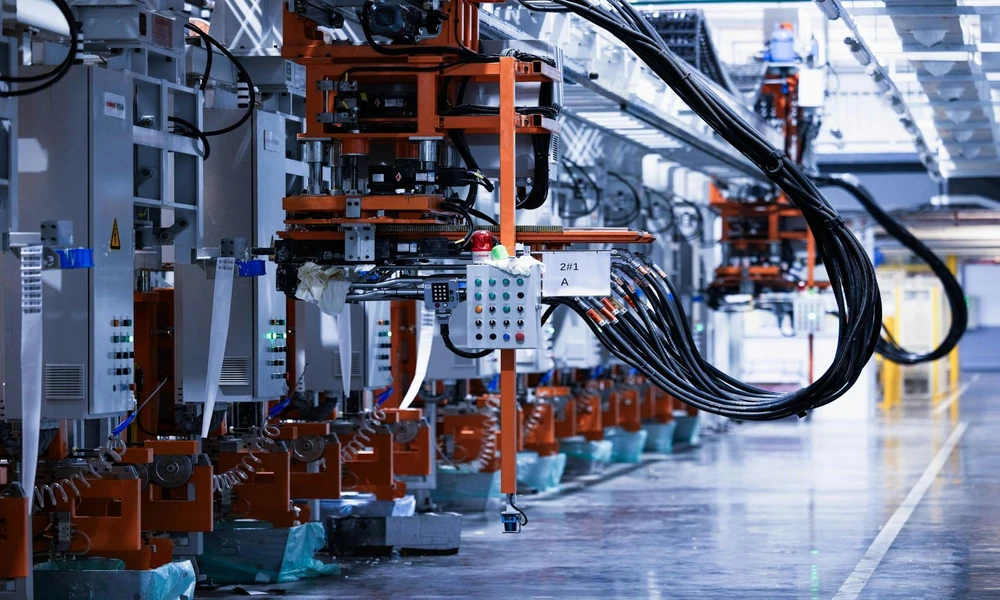
The rebound is easy to see in the order books. North American companies bought 31,311 robots worth $1.963 billion in 2024, the Association for Advancing Automation reported. Overall orders barely moved. The mix is where the real story sits: food and consumer goods orders jumped 65% over the prior year, and life sciences and pharmaceutical orders climbed 46%.
New capacity feeds that demand. Some 244,000 U.S. manufacturing jobs were announced in 2024 through reshoring and foreign direct investment, according to the Reshoring Initiative. Every new plant and expanded line creates a long runway of need for the systems that run them, and that runway is what Conte finds most compelling.
Software That Stays in Place
A new production line is never a one-time purchase. It’s fitted with scheduling tools, inspection software and monitoring services that get billed month after month, all of it wired to machinery that can’t easily be moved. Conte treats those contracts as durable revenue, because the customer has every reason to keep paying for something the plant leans on daily.
Switching costs deepen the loyalty. Once a plant trains its people on a system and ties it into daily work, tearing it out gets expensive and risky, so buyers rarely bother. The renewals keep coming. Revenue that recurs is easier to forecast than a run of one-off sales.
Built for a Patient Owner
This kind of business fits how Conte operates. Instead of trading in and out of positions, he’d rather hold companies for years and let the contracted income build. The middle market where he works tends to draw less competition than the headline megadeals, which can leave more room to buy well.
That temperament points him back to factory technology again and again. Jean-Pierre Conte looks for demand that arrives slowly and lasts, and the software tied to reshored plants and new robots delivers exactly that. Larger investors keep overlooking it.
