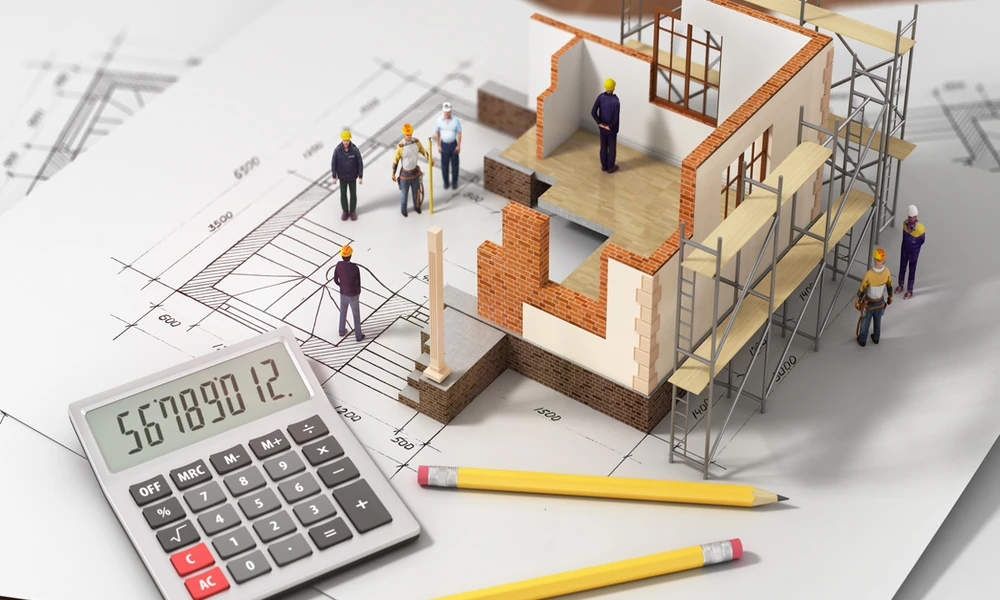
Building a house is different from purchasing a ready-to-move-in property. Construction expenses are incurred progressively, from the foundation and structural work to roofing, electrical work, flooring, and finishing.
Because the cost is spread across different stages of construction, lenders generally do not need to release the entire approved loan amount at once. Instead, the loan may be disbursed in stages based on construction progress and the terms agreed with the lender.
This is known as stage-wise disbursement.
Understanding how this process works can help borrowers plan their finances more effectively when taking a home loan for house construction.
What Is Stage-Wise Disbursement?
Stage-wise disbursement means that an approved home construction loan is released in multiple instalments rather than as a single lump-sum payment.
The amount released at each stage may depend on the progress of construction.
For example, the lender may release a portion of the approved loan after the foundation is completed, another portion after the structure reaches a particular stage, and subsequent amounts as construction progresses.
The exact stages, percentage of disbursement, and verification requirements can vary by lender and project.
Why Are Construction Loans Disbursed in Stages?
The purpose of stage-wise disbursement is to align the release of funds with the actual progress of construction.
Consider a borrower who has been sanctioned a ₹40 lakh construction loan. Releasing the entire amount before construction begins may result in funds being borrowed well before they are required.
Instead, progressive disbursement allows the borrower to access funds as construction expenses arise.
It can also allow the lender to verify that the property is being constructed according to the relevant plans and conditions before releasing subsequent instalments.
What Are the Typical Stages of Construction?
The exact stages vary depending on the property, construction plan and lender. However, construction may broadly progress through stages such as:
1. Foundation
The initial stage includes site preparation and foundation-related work.
2. Structural Construction
This may include columns, beams, walls and other structural components.
3. Roofing and External Work
Once the main structure progresses, work may move towards roofing and other external components.
4. Electrical and Plumbing
Electrical wiring, plumbing and related installations are carried out as construction progresses.
5. Flooring and Finishing
The final stages can include flooring, painting, fixtures, doors, windows and other finishing work.
The lender may conduct inspections or request evidence of construction progress before releasing the next instalment.
How Does the Stage-Wise Disbursement Process Work?
The process generally involves several steps.
Step 1: Loan Application
The borrower applies for a home construction loan and provides the required financial and property-related documents.
Step 2: Property and Construction Assessment
The lender evaluates the borrower’s eligibility and assesses relevant details about the land, proposed construction and estimated cost, subject to its lending criteria.
Step 3: Loan Sanction
If the application meets the lender’s requirements, the loan is sanctioned for an eligible amount.
Step 4: Construction Begins
The borrower begins construction according to the approved plan and applicable requirements.
Step 5: Progress Verification
Depending on the lender’s process, construction progress may be assessed through an inspection or supporting documentation.
Step 6: Disbursement
The lender releases the applicable portion of the sanctioned amount.
Step 7: Subsequent Disbursements
As construction progresses, the borrower can request further disbursements according to the agreed process.
What Is Pre-EMI?
One important concept borrowers should understand when taking a home loan for house construction is pre-EMI.
When only part of the sanctioned loan has been disbursed, the borrower may be required to pay interest on the amount that has actually been disbursed, subject to the loan terms.
This is commonly referred to as pre-EMI.
For example, suppose a ₹40 lakh loan has been sanctioned, but only ₹10 lakh has been disbursed initially. Interest may be calculated on the amount disbursed rather than the entire sanctioned amount, depending on the applicable loan structure.
Once the loan is fully disbursed, regular EMI repayment may begin according to the lender’s terms.
Borrowers should understand the difference between pre-EMI and regular EMI before taking the loan.
Does Stage-Wise Disbursement Affect the Total Interest?
It can.
Since the loan is released progressively, the interest payable during the construction period may be based on the amount disbursed at each point, subject to the applicable loan terms.
This means borrowers should avoid assuming that interest will automatically be calculated on the entire sanctioned amount from the beginning.
The actual repayment structure depends on the lender’s terms and the timing of disbursements.
What Can Delay a Disbursement?
Several factors can potentially delay the release of a subsequent instalment.
These may include:
- Construction not reaching the required stage
- Differences between the approved plan and actual construction
- Missing documents
- Delays in inspection
- Property-related documentation issues
- Delays in submitting a disbursement request
- Failure to meet applicable lender conditions
Borrowers can reduce avoidable delays by maintaining proper documentation and coordinating closely with the lender throughout construction.
How Should You Plan Your Construction Budget?
A construction loan may not cover every expense associated with building a house.
Before starting construction, create a detailed budget covering:
- Land-related expenses
- Construction materials
- Labour
- Architect and professional fees
- Permissions and approvals
- Electrical work
- Plumbing
- Flooring
- Fixtures
- Interior work
- Contingency expenses
Construction costs can change during the project. Therefore, maintaining a reasonable contingency reserve can help manage unexpected expenses.
Common Mistakes to Avoid
Using the Entire Loan Amount Too Early
Borrowing or requesting funds before they are required can increase your financial burden unnecessarily.
Not Planning for Costs Outside the Loan
Some expenses may not be covered by the loan. These should be incorporated into your own financial plan.
Ignoring Construction Delays
A delay can affect both the project timeline and your repayment planning.
Failing to Maintain Documentation
Keep construction-related documents, approvals, estimates and payment records organised.
Not Understanding Pre-EMI
Borrowers should know when pre-EMI begins, how it is calculated and when regular EMI repayment starts.
Questions to Ask Your Lender Before Taking a Construction Loan
- What construction stages qualify for disbursement?
- How is each stage verified?
- What documents are required?
- How should I request the next disbursement?
- How is pre-EMI calculated?
- When does regular EMI begin?
- What happens if construction is delayed?
- What happens if the final construction cost is higher than estimated?
- What charges apply during the loan process?
Understanding these details upfront can make the construction-financing process easier to manage.
Final Thoughts
Stage-wise disbursement is an important feature to understand when financing the construction of a house. Instead of receiving the entire sanctioned amount at once, borrowers generally receive funds progressively as construction advances, subject to the lender’s terms and verification process.
If you are considering a home loan for house construction, understanding stage-wise disbursement, pre-EMI, construction costs and documentation requirements can help you plan both your project and your finances more effectively.
Disbursement procedures, construction stages, documentation requirements, interest calculation and repayment terms vary by lender and loan agreement. Borrowers should confirm the applicable terms with their lender before proceeding.